
Summary
Kapil Sibal, a senior member of the Rajya Sabha, has raised serious concerns regarding a new trade agreement between India and the United States. He argues that the deal moves India away from its goal of self-reliance and makes the country too dependent on American leadership. Sibal claims that the government has agreed to terms that could hurt India's economic independence and its ability to make its own choices on the global stage. This criticism comes as the government celebrates the opening of new administrative buildings in the capital.
Main Impact
The primary concern raised by Sibal is the potential shift in India's foreign and economic policies. He suggests that the government has agreed to align India’s interests closely with those of the United States, a move he describes as unprecedented in the country's history. This alignment could limit India's freedom to trade with other nations and force it to follow rules set by Washington. The impact of such a deal could be felt across various sectors, from energy costs to the growth of local businesses that may now face more competition from American imports.
Key Details
What Happened
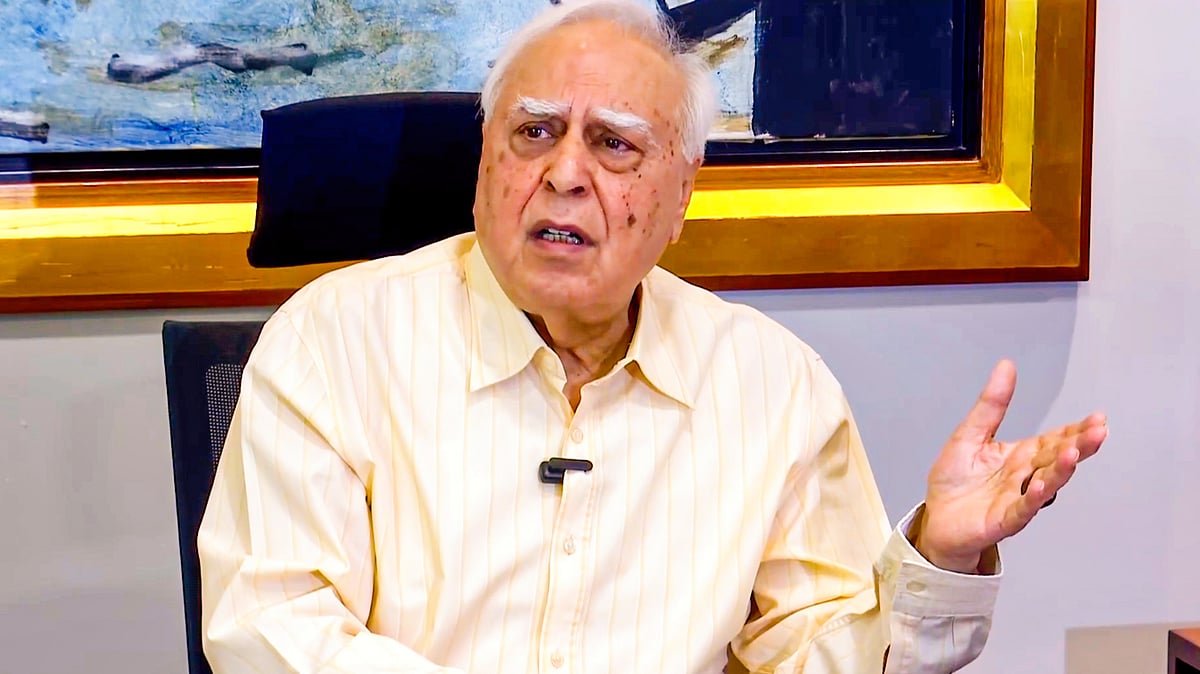
During a press conference, Kapil Sibal criticized the Narendra Modi government for its handling of the interim trade deal with the US. He used the phrase "Trump pe nirbhar," which means "dependent on Trump," to mock the government's "Atmanirbhar Bharat" or "Self-reliant India" campaign. Sibal pointed out that while the government is busy building new offices like the Seva Teerth and Kartavya Bhawan, it may be failing in its actual duty to protect the nation's economic interests. He called for the Prime Minister to explain the full details of this trade deal to Parliament so the public can understand what has been promised.
Important Numbers and Facts
Sibal highlighted several specific points that he finds worrying. First, he mentioned a reported commitment by India to purchase $500 billion worth of American goods and services over the next five years. This is a massive amount of money that would flow out of the Indian economy. Second, he cited US executive orders numbered 14066 and 14329. He claimed these orders suggest that the US could impose a 25 percent tax on Indian goods if India continues to buy oil from Russia. This creates a difficult situation for India, which has relied on Russian oil to keep energy prices stable for its citizens.
Background and Context
For several years, the Indian government has pushed the idea of "Atmanirbhar Bharat." This policy aims to make India a global manufacturing hub and reduce its reliance on foreign imports. However, international trade is complex, and the US is one of India's most important partners. The US government often uses trade deals to influence the foreign policy of its partners. In this case, the US wants India to reduce its ties with Russia due to the ongoing conflict in Ukraine. Sibal’s criticism centers on the idea that India is giving up too much of its own power just to keep the US happy.
Public or Industry Reaction
The government has not yet provided a detailed response to the specific allegations made by Sibal. However, his comments have sparked a wider debate among political observers and economic experts. Some members of the opposition have joined Sibal in questioning the fairness of the deal, suggesting that it benefits the US more than India. Industry experts are also looking at the $500 billion purchase commitment. They are concerned about how this will affect the "Make in India" initiative, as buying such a large volume of foreign goods could slow down the growth of local factories and service providers.
What This Means Going Forward
The situation puts the Indian government in a spot where it must balance its relationship with the US and its own economic goals. If the government moves forward with the $500 billion purchase plan, it will need to explain how this helps the Indian economy in the long run. There is also the risk of higher costs for consumers if the US decides to impose tariffs over the Russian oil issue. The next few months will likely see more calls for transparency in Parliament. The government will need to prove that it is still committed to making India self-reliant while managing these high-stakes international agreements.
Final Take
A strong nation is built on its ability to make independent decisions that serve its own people. While trade deals are necessary for growth, they should not lead to a loss of national autonomy. The concerns raised by Kapil Sibal highlight the need for a clear and open discussion about India's future. It is important for the government to ensure that "self-reliance" remains a reality and not just a slogan used for political gain.
Frequently Asked Questions
What does "Trump pe nirbhar" mean?
It is a phrase used by Kapil Sibal to suggest that India is becoming dependent on the policies and decisions of Donald Trump and the US government, rather than being self-reliant.
Why is the Russian oil issue important?
India buys a lot of oil from Russia because it is often cheaper. Sibal claims the US might tax Indian goods if India continues these purchases, which could hurt India's economy.
What is the $500 billion commitment?
According to Sibal, India has reportedly agreed to buy $500 billion worth of goods and services from the US over five years as part of a trade agreement.